Thursday, November 14, 2024

How to Solve Septic Tank Smells with Simple Solutions

How to Solve Septic Tank Smells with Simple Solutions

How to Solve Septic Tank Smells with Simple Solutions

A foul odor emanating from your yard can be a major nuisance. If you have a septic system, the source of the smell is likely your septic tank. Septic tank odors are a common problem, but they can be solved with simple solutions. This article provides a comprehensive guide to tackling septic tank smells, empowering you to eliminate the odor and restore a fresh, pleasant atmosphere in your home and yard.

Understanding the Source of Septic Tank Smells

Septic tank odors arise from the breakdown of waste in the tank. As organic matter decomposes, it releases gases like hydrogen sulfide, which has a distinctive rotten egg smell. These gases can escape through vents, cracks, or leaks in the system, leading to unpleasant odors.

Simple Solutions to Eliminate Septic Tank Smells

Fortunately, there are a number of simple solutions you can try to eliminate septic tank smells:

1. Ensure Proper Ventilation

A well-ventilated septic system is crucial for preventing odors. Check your septic tank vent pipe to make sure it's not blocked. If the vent pipe is obstructed, it can prevent gases from escaping properly, causing them to build up and release odors. Make sure the vent pipe is clear of any debris or obstructions. If necessary, you can use a brush or a vacuum to clear the vent pipe. You can also consider installing a vent cap to prevent insects and rodents from entering the vent pipe.

2. Treat the System with Bacteria

Septic tank bacteria play a vital role in breaking down waste. When bacteria levels are low, waste may not break down efficiently, leading to odors. You can buy septic tank bacteria additives at most home improvement stores. These additives contain beneficial bacteria that can help to break down waste and reduce odors. Follow the instructions on the product label carefully. You can also use a commercial septic system treatment product.

3. Avoid Flushing Unnecessary Items

The less waste that enters your septic tank, the less likely it is to produce odors. Avoid flushing items like wipes, paper towels, and feminine hygiene products. These items can clog your septic system and lead to backups, which can create an unpleasant odor.

4. Clean the Area Around the Septic Tank

The ground around your septic tank should be clear of vegetation and debris. If the area is overgrown with grass, weeds, or other vegetation, it can create a breeding ground for insects and rodents, which can attract odors. Regularly clearing vegetation around the tank can prevent the buildup of bacteria and other odor-causing substances.

5. Check for Leaks

A leak in your septic system can be a major source of odor. Inspect the system for any leaks, including the tank itself, the drain field, and the vent pipe. If you find a leak, you will need to have it repaired by a qualified professional.

6. Consider Professional Service

If you have tried the above solutions and are still experiencing septic tank odors, it's time to call a professional. A professional septic system inspector can identify any underlying issues and recommend appropriate solutions. They can also perform routine maintenance on your system, which can help to prevent odors.

Maintaining a Fresh and Odor-Free Environment

By implementing these simple solutions, you can eliminate septic tank smells and maintain a fresh and pleasant environment for your home and yard. Remember that proactive maintenance, including regular inspections and treatments, can help to prevent odors in the first place.

Posted on November 14, 2024 | Categories:

Wednesday, November 13, 2024

How to Use Organic Ingredients to Clean and Care for Your Septic Tank

How to Use Organic Ingredients to Clean and Care for Your Septic Tank

Utilizing Organic Ingredients for Septic Tank Cleaning and Care

Maintaining a healthy septic system is crucial for ensuring proper wastewater treatment and preventing costly repairs. While traditional chemical additives are widely available, embracing a more environmentally friendly approach through organic ingredients offers a viable alternative. This article delves into the benefits of using organic methods for septic tank cleaning and care, outlining practical strategies for optimal system performance.

Understanding the Importance of a Healthy Septic System

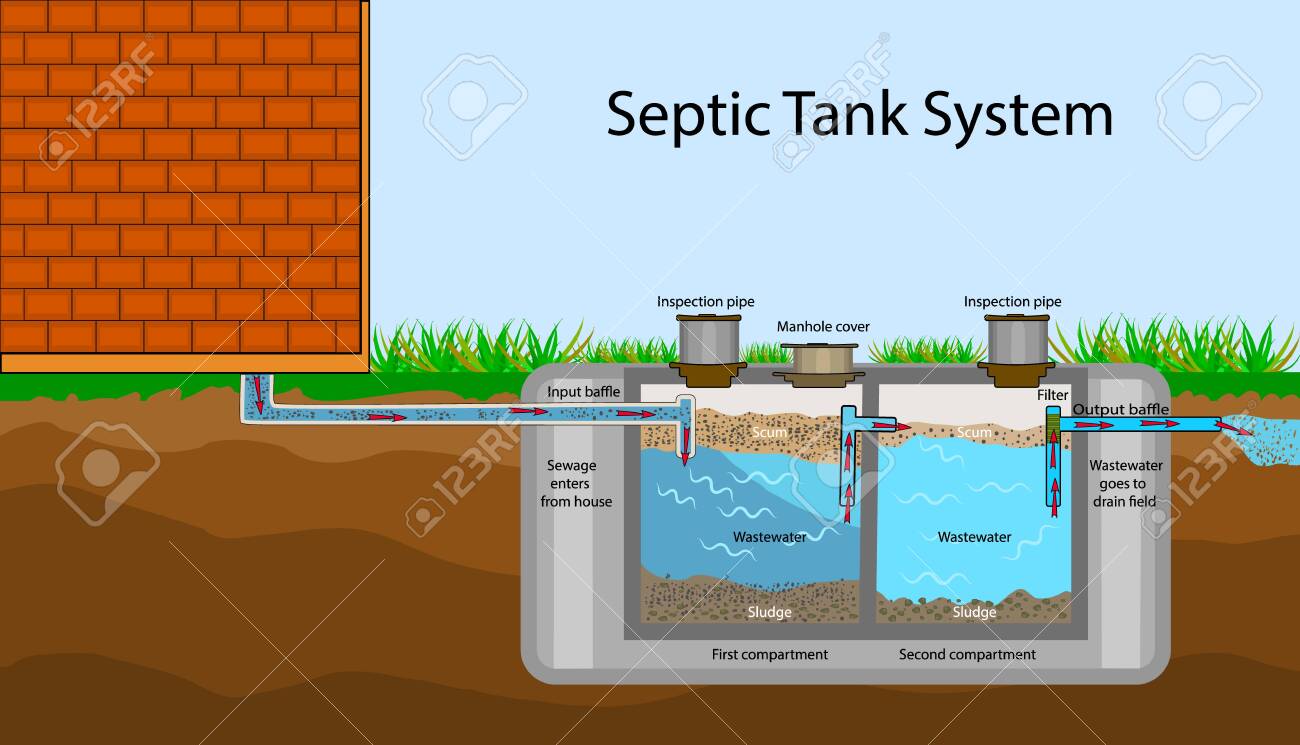
A septic system is a self-contained wastewater treatment unit commonly found in areas lacking access to centralized sewer systems. It comprises a septic tank, where solids settle and liquids are partially treated, and a drain field, where treated wastewater is discharged into the soil. Proper functioning of the septic system relies on a delicate balance of bacteria and enzymes that break down waste.

Negative Impacts of Chemical Additives

Chemical additives, while marketed for septic tank maintenance, often contain harsh chemicals that can disrupt the natural bacterial balance, potentially harming the environment and compromising system efficiency. These chemicals can also damage the septic tank and drain field over time.

Benefits of Organic Septic Tank Cleaning

Organic methods for septic tank care harness the power of natural ingredients to promote a healthy bacterial environment, ensuring efficient waste breakdown and optimal system performance.

Environmental Sustainability

Organic methods are environmentally friendly, reducing chemical pollution and protecting groundwater resources. They are biodegradable and pose minimal risk to aquatic life and soil ecosystems.

Cost-Effectiveness

Organic ingredients are generally less expensive than commercial chemical additives, making septic tank maintenance more affordable in the long run.

Enhanced System Efficiency

Organic methods foster a thriving bacterial population, improving the decomposition of waste and reducing the accumulation of solids in the septic tank. This promotes efficient wastewater treatment and minimizes the risk of clogs and backups.

Organic Ingredients for Septic Tank Care

Here are some readily available organic ingredients that can be used to enhance your septic system's health:

1. Yeast

Yeast is a natural source of beneficial bacteria and enzymes that aid in the breakdown of organic matter. Add a packet of active dry yeast to the septic tank every few months to boost bacterial activity.

2. Baking Soda

Baking soda acts as a natural deodorizer and can neutralize unpleasant odors emanating from the septic tank. Pour a cup of baking soda into the septic tank once a month to help control odors.

3. Vinegar

Vinegar is a mild acid that helps to break down grease and fats, common culprits in septic tank clogs. Pour a gallon of white vinegar into the septic tank every few months to prevent grease buildup.

4. Epsom Salt

Epsom salt is a natural source of magnesium sulfate, which can help to improve the effectiveness of bacteria in the septic tank. Add a cup of Epsom salt to the tank once a month to promote bacterial growth.

5. Compost

Compost is rich in beneficial bacteria and nutrients that can enhance the microbial activity in the septic tank. Pour a bucket of compost into the septic tank every few months to introduce beneficial microorganisms.

Practical Tips for Septic Tank Maintenance Using Organic Ingredients

1. Avoid Overloading the System

Limit the amount of waste entering the septic tank. Avoid flushing items like disposable wipes, paper towels, and excessive amounts of hair down the drain.

2. Practice Water Conservation

Reduce water usage to minimize the strain on the septic system. Fix leaky faucets, install low-flow showerheads, and use water-saving appliances.

3. Regular Inspections

Schedule regular inspections of the septic tank by a qualified professional to ensure optimal performance and detect potential issues early on.

4. Avoid Chemical Additives

Refrain from using commercial chemical additives that can disrupt the natural bacterial balance in the septic tank.

Conclusion

Adopting organic methods for septic tank cleaning and care presents a sustainable, cost-effective, and environmentally friendly approach. By harnessing the power of natural ingredients and implementing practical maintenance practices, you can promote a healthy septic system, ensuring optimal performance and avoiding costly repairs.

Posted on November 13, 2024 | Categories:

Tuesday, November 12, 2024

Preventing Odors with Septic Tank Neutralizers

Preventing Odors with Septic Tank Neutralizers

Preventing Odors with Septic Tank Neutralizers

The distinctive and unpleasant aroma emanating from a septic tank is a common problem that homeowners face. While a properly functioning septic system should not produce strong odors, factors such as improper maintenance, overloading, or age can contribute to unpleasant smells. Fortunately, septic tank neutralizers offer a simple and effective solution to neutralize odors and maintain a fresh-smelling environment.

How Septic Tank Neutralizers Work

Septic tank neutralizers work by breaking down organic waste and eliminating the bacteria that produce foul odors. They are typically formulated with a blend of enzymes, bacteria, and odor-eliminating agents. These ingredients work together to accelerate the decomposition of waste, reduce the build-up of sludge and scum, and neutralize unpleasant smells.

Enzyme Action

Enzymes are biological catalysts that speed up chemical reactions. In septic tanks, enzymes break down complex organic molecules like proteins, carbohydrates, and fats into simpler compounds. This process reduces the amount of waste available for bacteria to decompose, minimizing the production of odor-causing gases.

Bacterial Activity

Septic tank neutralizers often contain beneficial bacteria that contribute to the breakdown of waste. These bacteria consume organic matter and convert it into harmless byproducts. By increasing the population of beneficial bacteria in the tank, neutralizers promote a healthy and efficient decomposition process, reducing the likelihood of odor production.

Odor Elimination

In addition to enzyme and bacterial action, many septic tank neutralizers also include odor-eliminating agents. These agents absorb or neutralize foul smells, leaving behind a fresher scent. They work by masking odors or by chemically reacting with odor-producing molecules to eliminate their smell.

Benefits of Using Septic Tank Neutralizers

Using septic tank neutralizers offers a range of benefits, including:

  • Odor Elimination: Neutralizers effectively eliminate unpleasant smells associated with septic tanks, improving air quality around the home.
  • Improved Tank Performance: By promoting the breakdown of waste and reducing sludge build-up, neutralizers help maintain optimal septic tank performance. This can extend the lifespan of the system and prevent costly repairs.
  • Reduced Maintenance Needs: Neutralizers can help reduce the frequency of septic tank pumping, as they contribute to a more efficient decomposition process. This can save time and money on maintenance costs.
  • Environmentally Friendly: Many septic tank neutralizers are biodegradable and environmentally friendly, minimizing the impact on the surrounding ecosystem.

Choosing the Right Septic Tank Neutralizer

Selecting the right septic tank neutralizer is important to ensure its effectiveness and compatibility with your system. Consider the following factors when choosing a neutralizer:

  • Type of Tank: Different neutralizers are designed for different types of septic tanks, such as traditional gravity systems or aerobic tanks.
  • Tank Size and Capacity: Choose a neutralizer that is appropriate for the size and capacity of your septic tank.
  • Ingredients: Look for neutralizers that contain a blend of enzymes, beneficial bacteria, and odor-eliminating agents.
  • Ease of Use: Select a neutralizer that is easy to use and apply according to the manufacturer's instructions.
  • Safety: Choose a neutralizer that is safe for use around your home and the environment.

Maintaining Your Septic System

While septic tank neutralizers can help prevent odors and improve tank performance, they are not a substitute for regular maintenance. To maintain a healthy and odor-free septic system, consider the following tips:

  • Regular Pumping: Pump your septic tank every 3-5 years or as recommended by a professional.
  • Avoid Overloading: Avoid flushing items like grease, hair, medications, or excessive amounts of toilet paper down the drain.
  • Conserve Water: Reduce water usage to minimize the amount of waste going into the tank.
  • Regular Inspections: Have your septic system inspected by a qualified professional every 2-3 years.

By using septic tank neutralizers and following proper maintenance practices, homeowners can effectively prevent odors and ensure the long-term health and efficiency of their septic systems.

Posted on November 12, 2024 | Categories:

Long-Lasting Septic Tank Odor Eliminators for Every Home

Long-Lasting Septic Tank Odor Eliminators for Every Home

Long-Lasting Septic Tank Odor Eliminators for Every Home

The telltale scent of a septic tank can be a source of embarrassment and discomfort. While a well-maintained septic system should remain mostly odor-free, a variety of factors can contribute to unpleasant smells. From aging pipes to improper usage, those lingering odors can permeate your home, making it an unwelcome guest. Fortunately, a range of effective odor eliminators are available, offering long-lasting relief and a fresh, clean environment.

Before diving into specific products, it's crucial to understand the root cause of septic tank odors. In many cases, the culprit is hydrogen sulfide gas, a byproduct of bacterial decomposition in the tank. This gas can escape into the air through vents, cracks in pipes, or even through your plumbing fixtures. Identifying the source of the odor is vital to choosing the right solution.

Natural Solutions for Septic Tank Odor Control

For those seeking eco-friendly and budget-conscious options, nature provides a plethora of septic tank odor eliminators. These solutions often rely on natural ingredients that neutralize unpleasant smells without harsh chemicals.

Baking Soda

A kitchen staple, baking soda is an excellent natural deodorizer. Its alkaline properties neutralize acids, effectively combating the unpleasant odors associated with septic systems. Simply pour a cup of baking soda down your toilet or drain, followed by a flush of water. For more persistent odors, repeat the process periodically.

Vinegar

Vinegar, another household item, is a natural disinfectant and odor neutralizer. Its acidic nature helps to break down organic matter that contributes to foul smells. Pour a cup of white vinegar down your drain, let it sit for 30 minutes, then flush with water. You can also use vinegar to clean your bathroom fixtures and surfaces, further preventing odor buildup.

Essential Oils

Essential oils like tea tree, lemon, and eucalyptus possess powerful antibacterial and antifungal properties. They can effectively mask unpleasant smells while freshening the air. Add a few drops of your favorite essential oil to a spray bottle filled with water and spritz around your bathroom or kitchen. Alternatively, you can create a DIY air freshener by combining a few drops of essential oil with baking soda.

Commercial Septic Tank Odor Eliminators

The market offers a wide selection of commercial septic tank odor eliminators, each formulated with specific ingredients and functionalities.

Enzyme-Based Products

These products contain beneficial bacteria and enzymes that break down organic matter in the septic tank. This process reduces the production of hydrogen sulfide gas, thus minimizing odor. Enzyme-based products are effective in treating existing odors and preventing future ones. Follow the manufacturer's instructions carefully for optimal results.

Chemical Odor Eliminators

Chemical odor eliminators typically contain fragrances or odor absorbers that mask unpleasant smells. While these products offer quick relief, they may not address the root cause of the odor. Consider using chemical odor eliminators sparingly and always follow the manufacturer's safety guidelines.

Activated Carbon Filters

Activated carbon filters are commonly used to remove odors from the air. They absorb odor molecules, preventing them from reaching your nose. Installing an activated carbon filter in your bathroom vent can help eliminate septic tank odors before they spread into your home. These filters require regular replacement to maintain their effectiveness.

Preventing Septic Tank Odors

While odor eliminators provide temporary relief, preventative measures are essential for long-term odor control. Here are some tips to keep your septic system fresh and odor-free:

  • Avoid flushing anything other than toilet paper down the toilet. This includes wipes, feminine hygiene products, and disposable diapers, which can clog pipes and hinder the breakdown of waste.
  • Limit the use of harsh chemicals in your home. Bleach, disinfectants, and other cleaning agents can disrupt the bacterial balance in your septic system, contributing to odor production.
  • Regularly pump your septic tank. A full tank can lead to backups and overflow, resulting in unpleasant odors. Schedule professional pumpings every 3-5 years, depending on the size of your tank and household usage.
  • Maintain good drainage. Ensure that your yard slopes away from your house to prevent water from accumulating around the septic tank and infiltrating it.

By adopting these preventative measures and utilizing appropriate odor eliminators, you can effectively combat septic tank odors and maintain a fresh and clean environment in your home.

Posted on November 12, 2024 | Categories:

Solving the Mystery of Septic Tank Smells at Night

Solving the Mystery of Septic Tank Smells at Night

Solving the Mystery of Septic Tank Smells at Night: A Comprehensive Guide

The unmistakable odor of sewage emanating from your home is a cause for concern and can be quite embarrassing. While it may be a source of discomfort, it's essential to approach the issue systematically to identify the cause and implement effective solutions. The problem often intensifies at night, leading many to wonder why. This comprehensive guide will delve into the possible culprits behind the nocturnal septic tank smells and equip you with the knowledge to effectively address the issue.

Understanding the Mechanics of Septic Tank Smells

Septic systems are designed to treat wastewater through a natural process of decomposition. Bacteria break down organic matter, converting it into gases like methane, hydrogen sulfide, and ammonia. While these gases are typically contained within the tank, various factors can lead to their release into the surrounding environment, causing unpleasant odors.

Factors Contributing to Septic Tank Smells

  • Overloading: Excessive wastewater entering the tank can overwhelm the bacteria's capacity to decompose it, leading to a buildup of organic matter and the release of odorous gases.
  • Poor Ventilation: Proper ventilation is crucial for releasing gases from the tank. If the vent stack is blocked or malfunctioning, the gases have nowhere to escape and can back up into the house.
  • Clogged Drain Lines: Obstructions in the drain lines connecting the house to the septic tank can create pressure, forcing sewage water and gases back into the home.
  • Leaky Pipes: Faulty or cracked pipes can allow sewage water and gases to escape into the surrounding soil and seep into the foundation, resulting in noticeable odors.
  • Dry Soil: During periods of drought or low soil moisture, the ground surrounding the septic tank can become dry and cracked, allowing odors to escape.
  • Temperature Fluctuations: Temperature changes can affect the activity of bacteria within the septic tank. Warmer temperatures can accelerate the breakdown of organic matter, producing more gases, while colder temperatures can slow down the process and lead to a buildup.

Why Septic Tank Smells are Stronger at Night

The intensification of septic tank smells at night is often attributed to a combination of factors:

  • Reduced Air Pressure: As temperatures cool down at night, air pressure decreases, creating a slight vacuum effect. This can draw gases from the septic tank up into the house through drain lines, vents, or any cracks in the foundation.
  • Increased Indoor Humidity: Homes tend to be more humid at night, especially in humid climates. This higher humidity can trap odors and make them more noticeable.
  • Air Circulation Changes: Air circulation patterns within the house can change at night, leading to increased air movement near the source of the odor, making it more noticeable.
  • Silence: The quietness of night can make it easier to detect subtle smells that might be masked by daytime noise.

Diagnosing the Source of the Odor

Identifying the source of the septic tank smell is crucial to implementing the right solution. Here are some steps to help pinpoint the problem:

  • Inspect the Vent Stack: Check the vent stack on your roof for blockages or debris. Ensure it's properly vented and extends at least 12 inches above the highest point of the roof.
  • Check for Clogged Drain Lines: Look for any signs of slow-draining sinks, toilets, or showers. Run water in each fixture and check for any unusual sounds or smells coming from the pipes.
  • Examine Pipes: Inspect the pipes connecting your house to the septic tank for visible cracks or leaks. If necessary, enlist the help of a qualified plumber to perform a thorough inspection.
  • Inspect the Septic Tank: If possible, observe the septic tank itself. Check for signs of overflowing, excessive sludge buildup, or other irregularities. It's recommended to have a professional septic tank inspection and cleaning performed every 3-5 years.

Effective Solutions for Septic Tank Smells

Once you've diagnosed the source of the odor, you can implement the appropriate solution:

Addressing Overloading

  • Reduce Wastewater: Be mindful of water usage habits. Avoid long showers, excessive laundry loads, and running the dishwasher unnecessarily. Consider using water-efficient appliances and fixtures to minimize water consumption.
  • Install a Pump: For homes with significant wastewater production, installing a pump in the septic system can help move wastewater to the tank more efficiently, reducing overloading.

Improving Ventilation

  • Clean the Vent Stack: Regularly clean the vent stack to remove any accumulated debris. You can use a long-handled brush or a shop vacuum to remove any blockages.
  • Replace Damaged Vent Stack: If the vent stack is damaged or cracked, it needs to be replaced with a new one. This will ensure proper ventilation and prevent gases from backing up into the house.

Clearing Clogged Drain Lines

  • Use a Plunger: If the clog is located in a sink or toilet, try using a plunger to dislodge it.
  • Use a Drain Snake: For more stubborn clogs, use a drain snake to break up the obstruction. This tool can reach deeper into the drain line than a plunger.
  • Call a Plumber: If you're unable to clear the clog yourself, it's best to call a qualified plumber to handle the situation.

Repairing Leaky Pipes

  • Professional Repair: Leaky pipes should be repaired by a professional plumber as soon as possible. This will prevent further damage to your home and ensure the sewage system remains intact.

Managing Dry Soil

  • Watering the Soil: If the soil around the septic tank is dry, you can water it regularly to help maintain moisture and reduce the release of odors.
  • Mulch: Applying a layer of mulch around the septic tank can help retain moisture in the soil.

Addressing Temperature Fluctuations

  • Insulating the Tank: In cold climates, you can consider insulating the septic tank to minimize temperature fluctuations and maintain a consistent bacterial activity.

Other Solutions

  • Septic Tank Additives: Consider adding beneficial bacteria to your septic tank to help break down organic matter more effectively. However, always consult the product instructions and consult with a professional before using any septic tank additives.
  • Air Freshener: While not a permanent solution, using air fresheners can help mask the odor temporarily. However, it's important to address the root cause of the smell for a long-term solution.

Preventing Future Septic Tank Smells

After resolving the immediate odor problem, it's important to implement preventative measures to minimize the risk of recurrence:

  • Regular Inspections: Schedule regular inspections of your septic system, including the tank, drain lines, and vent stack. A professional inspection every 3-5 years can help detect problems early on and prevent costly repairs later.
  • Maintain Proper Ventilation: Ensure the vent stack is free of debris and functioning correctly. This will prevent the buildup of gases and odors.
  • Avoid Overloading: Practice water conservation habits to avoid overwhelming the septic tank.
  • Use Proper Additives: If you decide to use septic tank additives, select reputable products and follow the manufacturer's instructions carefully.

Conclusion

The mystery of septic tank smells at night can be solved with a systematic approach. By understanding the factors contributing to the odor, diagnosing the source, and implementing the appropriate solutions, you can effectively address the issue and restore the peace of mind you deserve. Remember that proactive maintenance and regular inspections can play a vital role in preventing future problems and ensuring a well-functioning septic system.

Posted on November 12, 2024 | Categories:

Diagnosing Septic Tank Smells in the Bathroom

Diagnosing Septic Tank Smells in the Bathroom

Diagnosing Septic Tank Smells in the Bathroom: A Step-by-Step Guide

That unmistakable sewage odor wafting from your bathroom is a sign that something is amiss with your septic system. It can be unsettling and embarrassing, but before you panic, take a deep breath and follow these steps to diagnose the source of the smell and take action.

Identify the Source of the Odor

The first step in tackling septic tank smells is to pinpoint the source. Does the odor emanate from the toilet, the sink, or the shower drain? This will help you narrow down the potential causes and direct your troubleshooting efforts.

The Toilet

If the stench is coming from your toilet, the most common culprits are a faulty toilet flapper or a clogged vent pipe. A worn-out flapper allows water to seep into the bowl, creating a breeding ground for bacteria that produce the foul smell. A clogged vent pipe prevents proper air circulation, forcing sewage gases to escape through the toilet.

The Sink and Shower Drain

If the odor originates from your sink or shower drain, it's likely that a buildup of hair, soap scum, or other debris is blocking the drainpipe. This blockage can trap water and create a breeding ground for odor-causing bacteria.

Troubleshooting Tips

Once you've identified the source, it's time to troubleshoot and address the problem. Here's a step-by-step guide:

Toilet

  • Inspect the Toilet Flapper: Look for cracks, tears, or signs of wear and tear. Replace the flapper if needed.
  • Check the Vent Pipe: Inspect the vent pipe for any blockages. You may need to use a plumbing snake to clear the pipe.

Sink and Shower Drain

  • Clear the Drain: Use a plunger or drain snake to clear any blockages.
  • Pour Boiling Water Down the Drain: This can help loosen and remove any remaining debris.
  • Use a Commercial Drain Cleaner: As a last resort, use a commercial drain cleaner, but exercise caution and follow the instructions carefully.

Preventing Future Smells

Once you've tackled the immediate problem, it's crucial to implement preventative measures to avoid future septic tank odors. Here are some tips:

  • Regularly Inspect and Maintain Your Septic System: Schedule regular inspections and pump outs to ensure your system is functioning correctly.
  • Avoid Flushing Non-Biodegradable Items: Dispose of sanitary products, paper towels, and other non-biodegradable materials in the trash.
  • Minimize Water Usage: Take shorter showers and use water-saving appliances to reduce the load on your septic system.
  • Use Biodegradable Cleaning Products: Opt for cleaning products that are safe for your septic system and won't harm beneficial bacteria.

Septic tank smells can be frustrating, but by following these steps, you can quickly identify the source, troubleshoot the problem, and prevent future occurrences. If you're unable to resolve the issue yourself, don't hesitate to contact a qualified plumber for professional assistance.

Posted on November 12, 2024 | Categories:

Chemical-Free Solutions to Get Rid of Septic Tank Smells Outside

Chemical-Free Solutions to Get Rid of Septic Tank Smells Outside

Chemical-Free Solutions to Banish Septic Tank Smells Outside

Ugh, that septic tank smell! It's enough to make you want to stay inside all the time, right? But don't despair! You don't need to resort to harsh chemicals to get rid of those unpleasant odors. There are plenty of natural and eco-friendly solutions that can work wonders. Let's dive into some effective strategies that are gentle on the environment and your nose.

Understanding the Source of the Smell

Before we jump into solutions, let's figure out where that smell is coming from. Septic tank odors often arise from:

  • Improper venting: Your septic system needs proper ventilation to release gases and prevent pressure buildup. If the vent pipe is blocked, the smell can escape through other openings, like your yard.
  • Overloading the tank: Too much waste in the tank can lead to a buildup of bacteria and gases, resulting in a foul odor.
  • Cracks or leaks: If your septic tank has cracks or leaks, the odor can seep out into the surrounding soil and atmosphere.
  • Improper drainage: If the leach field, where wastewater is filtered, is overloaded or improperly installed, it can contribute to the smell.

Once you've identified the potential source, you can choose the most appropriate solution.

Natural Remedies for Septic Tank Smells

Don't worry, there are plenty of natural and chemical-free ways to tackle those smells! Here are some ideas to try:

1. The Power of Baking Soda and Vinegar

Baking soda and vinegar are a dynamic duo when it comes to fighting odors. Here's how to use them:

  • Pour a cup of baking soda down the drain: Baking soda helps neutralize odors and absorb moisture.
  • Follow with a cup of vinegar: The vinegar reacts with the baking soda, creating a fizzing action that helps break down clogs and lift away odors.
  • Let it sit: Allow the mixture to sit for at least 30 minutes before flushing with hot water.

This method works best for minor odor issues, and it's a great way to freshen up the drains around your home.

2. Harness the Power of Essential Oils

Essential oils, like lemon, peppermint, and tea tree, are natural deodorizers with pleasant aromas. Here's how to incorporate them:

  • Diffuser: Add a few drops of your favorite essential oil to a diffuser and run it near the area where the smell is strongest.
  • Spray bottle: Combine a few drops of essential oil with water in a spray bottle. Mist the area around your septic tank, but avoid getting it directly on the tank itself.

The fragrant oils can help mask the unpleasant odors and leave a fresh scent in your yard.

3. The Magic of Charcoal

Activated charcoal is a natural odor absorber. You can use it in a few ways:

  • Place charcoal briquettes around the septic tank: This is a simple and effective way to absorb odors from the surrounding area.
  • Use charcoal filters: There are charcoal filters designed for septic tanks that can be installed to filter out odors before they reach the surface.

Just make sure the charcoal you use is specifically designed for odor control and is safe for outdoor use.

4. Good Old-Fashioned Ventilation

Remember that vent pipe we talked about? Make sure it's clear and unobstructed. This allows gases to escape safely and reduces pressure buildup that can lead to odors.

  • Inspect the vent pipe: Check for any blockages, like debris or bird nests. A professional can help if you need a deeper inspection.
  • Clean the vent pipe: If you find blockages, carefully remove them. You can use a long brush or a hose to clear out the vent.

Preventing Smells in the First Place

Now that you've tackled those smelly issues, let's talk about preventing them from happening again.

1. Be Mindful of What You Flush

Septic systems are delicate ecosystems. Avoid flushing anything that can harm the bacteria that break down waste, like:

  • Flushable wipes: They don't break down like toilet paper, and they can clog your pipes.
  • Grease and oil: These substances solidify in pipes and can contribute to blockages.
  • Excess paper: Don't flush large quantities of paper products, like paper towels or napkins.
  • Medicines and chemicals: Flush only small amounts of medicines, and avoid flushing chemicals altogether. They can harm beneficial bacteria in your septic system.

2. Regular Maintenance is Key

Just like any other system, your septic tank needs regular maintenance. This includes:

  • Pumping: Schedule regular septic tank pumping, usually every 3-5 years depending on your usage. This removes accumulated sludge and prevents overflows.
  • Inspection: Get your septic system inspected by a qualified professional every 1-3 years. This helps catch any potential issues before they become major problems.

3. Choosing the Right Products

When it comes to septic tank care products, choose wisely. Avoid harsh chemicals that can harm the bacteria in your system. Instead, opt for eco-friendly options, such as:

  • Natural bacteria enhancers: These products contain beneficial bacteria that help break down waste and reduce odors.
  • Enzyme-based cleaners: These cleaners are formulated to break down organic waste and prevent clogs.

Getting Professional Help

Sometimes, even with natural solutions, you may need professional help. If you suspect a major issue with your septic system, such as a cracked tank or a failing leach field, don't hesitate to contact a qualified septic tank contractor. They can diagnose the problem and recommend the appropriate solutions.

Remember, a healthy septic system is essential for a comfortable and odor-free home. By following these natural and chemical-free tips, you can keep your septic system happy and your home smelling fresh!

Posted on November 12, 2024 | Categories: