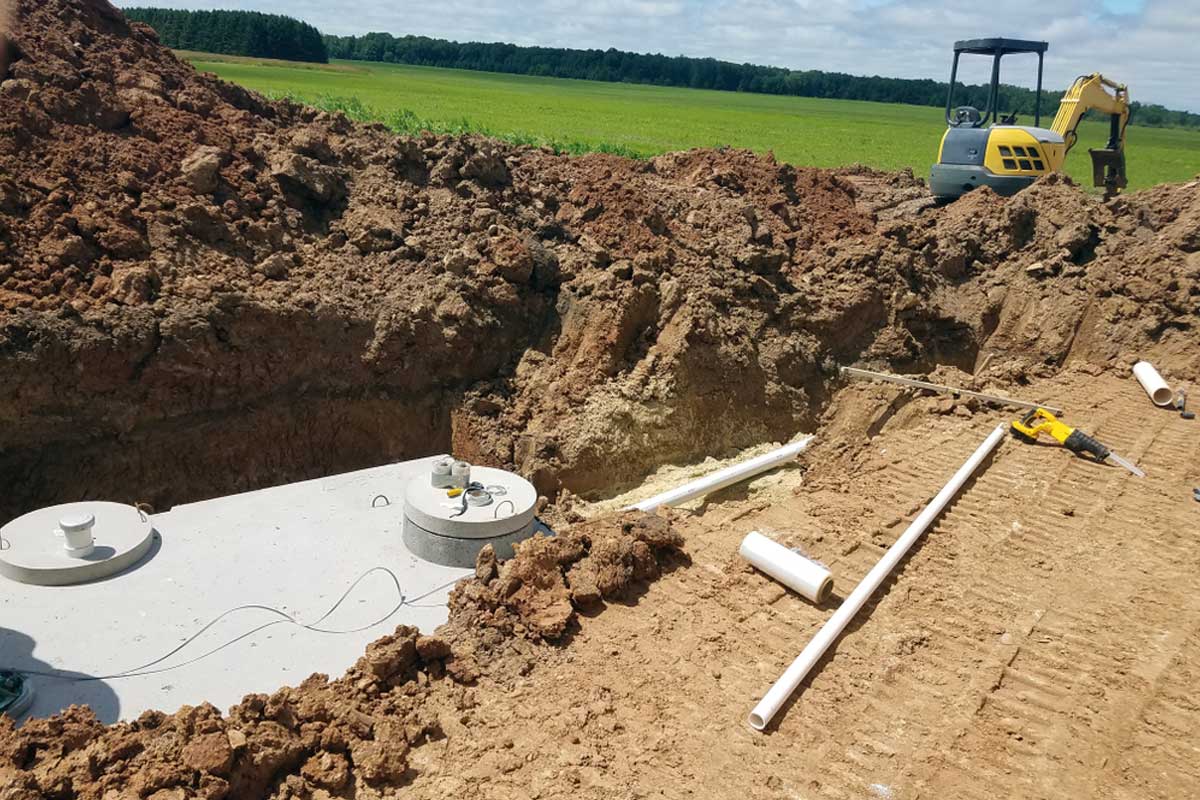
New Septic Tank Smells: How Long Will It Last Outside?
Installing a new septic system is a significant investment in your home, but it can come with an unwelcome side effect: unpleasant odors. You might notice a distinct sewage smell emanating from the area around your new septic tank, and it's natural to wonder how long this will persist. The good news is that this smell is usually temporary and will fade over time. Here's a breakdown of what's causing the odor and how long it will likely take to disappear.
The Source of the Smell
The smell you're experiencing is primarily caused by hydrogen sulfide gas, a byproduct of the bacteria breaking down waste in your septic tank. This gas has a distinct rotten egg aroma and is commonly found in sewage systems. Several factors contribute to its release:
Initial Setup
Right after installation, your new septic system is still in its "settling-in" phase. The bacteria haven't established a stable ecosystem yet, and they are actively breaking down a significant amount of waste. This activity produces more hydrogen sulfide gas than usual, leading to a stronger odor.
Soil Conditions
The type of soil surrounding your septic tank plays a role. Clay soils are denser and can hold moisture longer, creating a less-than-ideal environment for the gas to dissipate quickly. Sandy soils, on the other hand, allow for better drainage and quicker odor reduction.
Weather
Hot, humid weather can amplify the smell as it speeds up bacterial activity. Conversely, cooler temperatures slow down the breakdown process, resulting in a milder odor. Strong winds can also carry the smell further, making it more noticeable.
How Long Will It Last?
The duration of the smell depends on a number of factors, but typically it should subside within a few weeks to a few months.
Factors Influencing Smell Duration
- System Size: Larger septic systems tend to have a slower breakdown process, which can prolong the odor.
- Waste Volume: High waste volume contributes to increased bacterial activity and a stronger smell.
- Maintenance Practices: Regular septic tank pumping helps maintain a balanced bacterial ecosystem and reduces odor production.
- Soil Drainage: Well-drained soils dissipate the gas more efficiently, leading to quicker odor reduction.
- Weather Conditions: Hot, humid weather can amplify the smell, while cooler temperatures can lessen it.
Tips to Minimize the Smell
While you wait for the odor to dissipate naturally, you can take some steps to minimize it.
- Ventilate the Area: Ensure proper ventilation around your septic system. This can be achieved by planting trees or shrubs near the tank to create airflow.
- Use Odor Neutralizers: Commercial odor neutralizers can temporarily mask the smell. However, remember that they don't address the root cause of the odor.
- Regular Maintenance: Have your septic tank pumped and inspected regularly to ensure proper functioning and prevent odor buildup.
When to Seek Professional Help
If the smell persists for an extended period (several months) or becomes significantly worse, it's best to consult a septic system professional. They can inspect your system for any potential issues, such as a malfunctioning tank or a leach field problem, that may be contributing to the odor.
Overall, it's important to remember that a new septic tank odor is usually a temporary inconvenience. With time and proper maintenance, the smell will fade, leaving you with a smoothly operating septic system. If you have concerns, don't hesitate to consult a professional for guidance.
0 comments:
Post a Comment
Note: Only a member of this blog may post a comment.