The Best Ways to Reduce Septic Tank Odors Around Your Property
Living with a septic system can be a rewarding experience, but it's not without its challenges. One of the most common complaints among septic tank owners is the unpleasant odor that can emanate from the system, potentially permeating the surrounding property. Fortunately, there are several effective ways to reduce or eliminate these odors, ensuring a more pleasant living environment.
Understanding Septic Tank Odor Sources
Before diving into odor reduction strategies, it's essential to understand the sources of the problem. Septic tank odors arise due to the breakdown of organic waste within the tank and drain field. This process releases various gases, including hydrogen sulfide, ammonia, and methane, which are responsible for the characteristic foul smell.
These gases can escape into the surrounding environment through various pathways:
- Vent pipes: Septic tanks have vent pipes that extend above the roofline, allowing gases to escape safely into the atmosphere. However, if these pipes become blocked or damaged, the gases can back up and escape through other openings.
- Drain field: If the drain field is overloaded or improperly installed, it can lead to a buildup of sewage in the soil. This can create a breeding ground for bacteria and release odors into the surrounding air.
- Tank itself: Cracks or leaks in the septic tank itself can allow gases and wastewater to escape, leading to unpleasant odors.
- Plumbing fixtures: Faulty plumbing fixtures, such as toilets, sinks, or drains, can leak sewage into the surrounding areas, contributing to odor problems.
Effective Odor Reduction Strategies
Once you understand the sources of septic tank odors, you can implement various strategies to address them:
Regular Maintenance
The foundation of odor control lies in proper maintenance. Regularly scheduled inspections and pump-outs are essential to prevent buildup and ensure efficient operation.
- Pump-outs: A professional septic tank pumping service should be scheduled every 3-5 years, depending on the size of the tank and household usage. This removes accumulated sludge and scum, minimizing odor-producing bacteria.
- Inspections: Annual inspections by a qualified technician can detect any leaks, cracks, or other problems in the tank or drain field that may contribute to odors.
- Vent pipe maintenance: Regularly check the vent pipe for blockages, debris, and damage. Ensure the vent pipe is unobstructed and extends at least a foot above the roofline.
Proper Septic System Use
Everyday habits can impact septic system performance and odor control. Follow these guidelines:
- Avoid flushing non-biodegradable items: This includes items like wet wipes, paper towels, feminine hygiene products, and disposable diapers. These materials can clog the system and create odor-causing bacteria.
- Minimize grease and oil disposal: Fats and oils can solidify and accumulate in the septic tank, leading to blockages and odors. Dispose of them responsibly by pouring them into containers for disposal.
- Limit laundry detergent use: Excess detergents can overwhelm the bacteria in the tank, reducing their effectiveness in breaking down waste and potentially contributing to odors.
- Use water-efficient fixtures: Installing low-flow toilets, showerheads, and faucets can reduce the volume of water entering the septic system, minimizing the risk of overloading and creating odors.
Odor Control Products
Several commercial products are available to help control septic tank odors:
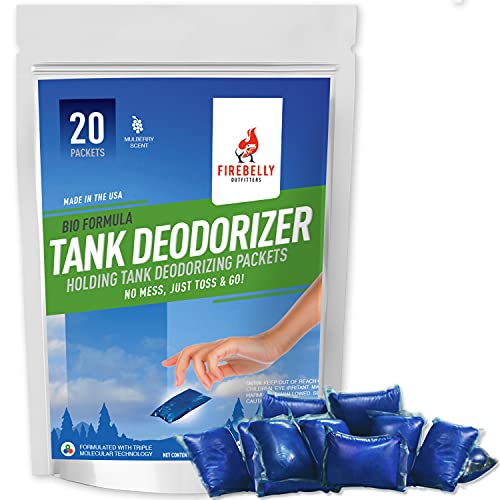
- Septic tank treatments: These products contain bacteria and enzymes that aid in the breakdown of waste, reducing odor-causing bacteria and sludge buildup. Look for products specifically designed for septic tanks, not just drain cleaners.
- Air fresheners: While not addressing the root cause, air fresheners can temporarily mask odors. However, they should not be used as a primary solution and may not effectively deal with strong, persistent odors.
Landscaping Strategies
Proper landscaping practices can also contribute to odor reduction:
- Avoid planting trees near the drain field: Tree roots can penetrate the drain field pipes, causing blockages and potential leaks, leading to odors.
- Maintain a healthy lawn: A healthy lawn helps absorb water and prevent excessive moisture around the septic tank and drain field. This can reduce the chances of odor-causing bacteria thriving.
Addressing Specific Odor Sources
If you're experiencing persistent odors, it's crucial to identify the specific source:
- Inspect vent pipes: Check for blockages or damage. If necessary, have the vent pipe cleaned or repaired by a professional.
- Examine drain field: Look for any signs of water pooling or excessive moisture around the drain field. This could indicate a problem with the system.
- Check for leaks: Inspect the septic tank itself and plumbing fixtures for any signs of leaks. These should be repaired promptly to prevent odor-producing materials from escaping.
- Consider professional inspection: If you're unable to identify the source of the odor, contact a qualified septic system inspector. They can perform a thorough assessment and identify potential problems.
Conclusion
While septic tank odors can be a nuisance, they are generally manageable with proper care and maintenance. By following these strategies, you can reduce or eliminate unpleasant odors and enjoy the benefits of your septic system without the hassle.
Remember, regular maintenance, responsible use, and timely addressing any problems are essential for maintaining a healthy and odor-free septic system.
0 comments:
Post a Comment
Note: Only a member of this blog may post a comment.