Conquering Those Unpleasant Septic Tank Odors: DIY Solutions for a Fresher Outdoor
Let's face it, nobody wants to be greeted by a whiff of sewage every time they step outside. It's not just unpleasant; it can be downright embarrassing, especially if you're hosting guests. Thankfully, you don't have to call a professional right away. There are several DIY solutions you can try to tackle those pesky septic tank odors, saving you some money and getting your outdoor space back to its fresh, inviting state.
Understanding the Source of the Smell
Before you start throwing scents and solutions around, it's important to understand where the smell is coming from. The most likely culprits are:
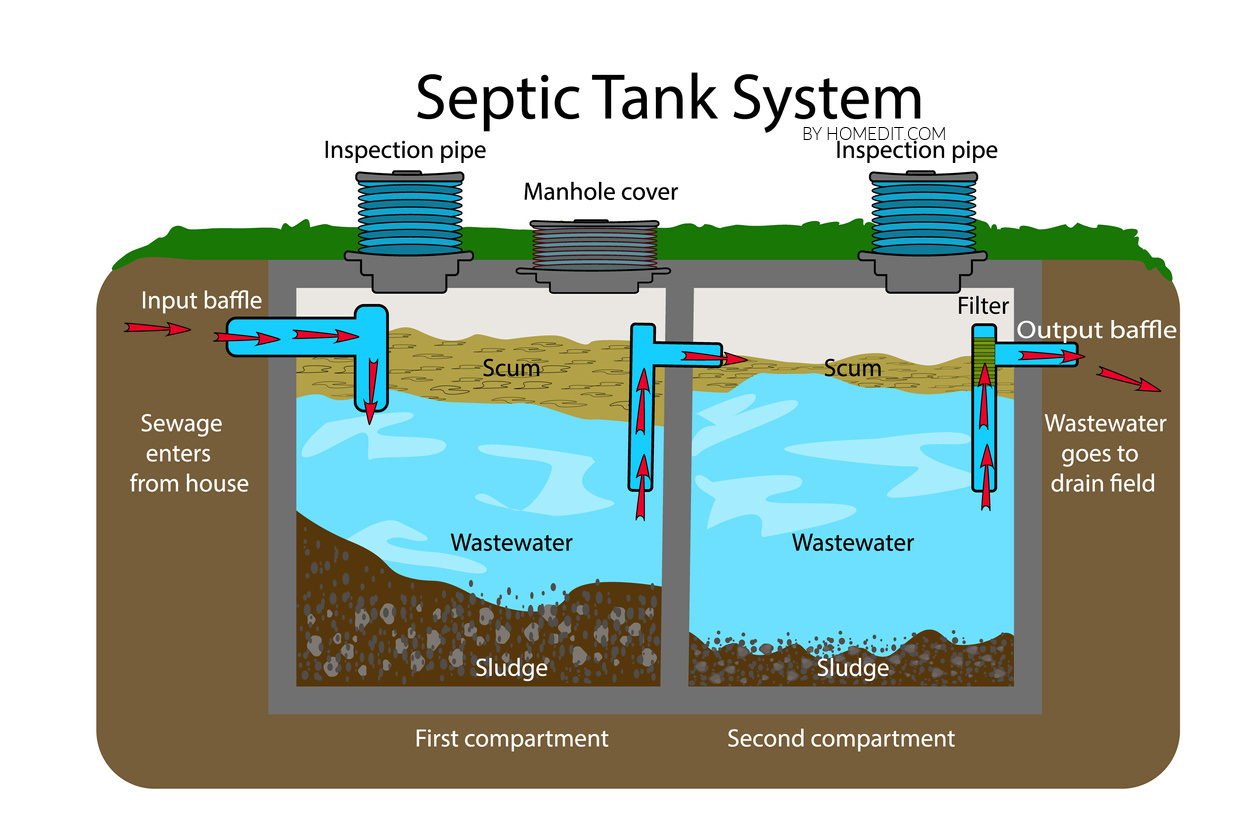
- The Septic Tank Itself: A poorly maintained tank can release odors due to excessive sludge buildup, improper ventilation, or leaks.
- The Drainfield: This is where the treated wastewater gets released. A clogged or failing drainfield can also lead to unpleasant odors.
- The Vent Stack: The vent stack is a pipe that connects your septic system to the outside air, allowing gases to escape. If the vent stack is blocked or damaged, the odors can be trapped and released into your yard.
Once you've identified the source, you can start tackling the odor. Here's a breakdown of some effective DIY methods:
Natural Solutions for a Fresher Yard
Before resorting to harsh chemicals, try these natural solutions. They're eco-friendly and can often be quite effective:
1. The Power of Baking Soda
Baking soda is a natural deodorizer and can help absorb unwanted smells. You can sprinkle some directly onto the ground around your septic tank and drainfield, or dissolve a cup in a gallon of water and pour it into the tank.
2. The Refreshing Aroma of Coffee Grounds
Coffee grounds are great for absorbing odors and can even improve soil health. Scatter them around your septic system, especially near the drainfield. The aroma will help neutralize unpleasant smells, and the grounds will gradually decompose into the soil.
3. The All-Natural Enzyme Solution
Enzymes are found naturally in many household items, like fruit rinds and vegetable scraps. Create a solution by filling a bucket with these scraps, adding water, and letting it ferment for a week or two. This creates a potent enzyme solution that can be poured into the septic tank, breaking down sludge and minimizing odors.
4. The Time-Tested Method: Charcoal Briquettes
Charcoal briquettes are a fantastic odor absorber. Place a few strategically around your septic system, especially near the vent stack. They'll effectively trap any foul odors, leaving you with a fresher outdoor environment.
DIY Solutions for a Smelly Septic Tank
If natural remedies aren't cutting it, you might need to address the problem directly within the septic tank. Here are some DIY solutions you can try:
1. The Odor-Busting Flush
A simple flush can sometimes dislodge trapped odors. Pour a bucket of water down your toilet, followed by a handful of baking soda and a cup of vinegar. Let it sit for a few minutes, then flush again. This can help break down any gunk in your pipes and release the trapped odors.
2. The Enzyme Power-Up
Commercial septic tank enzymes are available at most hardware stores. These specialized enzymes break down sludge and grease, reducing odor-producing bacteria. Follow the instructions on the product label carefully. Don't overuse it, or you could disrupt the delicate balance of your septic system.
3. The "Homemade Enzyme" Approach
If you prefer a more natural alternative to commercial enzymes, you can try creating your own. Mix a gallon of water with a cup of white vinegar, a cup of baking soda, and a cup of dish soap. Pour this mixture into the septic tank and let it sit for a few hours before flushing. This homemade enzyme blend can help break down sludge and grease, reducing odors.
Tackling the Septic Tank Vent Stack
If the source of your odor is the vent stack, here's how you can tackle it:
1. Inspect for Blockages
First, inspect the vent stack. Look for any signs of blockage, like leaves, debris, or nests. Use a long pole with a brush attached to clear out any obstructions.
2. Consider a New Vent Stack
If your vent stack is damaged or old, it might be time to replace it. A new vent stack should extend at least 3 feet above the roofline, allowing for proper ventilation and preventing odors from being released.
Remember: Prevention is Key
While these DIY methods can help address those nasty septic tank smells, prevention is always better than cure. Here are a few things you can do to keep your septic system running smoothly and prevent future odors:
- Avoid Overloading: Avoid flushing non-biodegradable items down the toilet, such as wipes, paper towels, and feminine hygiene products. These items can clog your pipes and lead to septic tank issues.
- Maintain the Drainfield: Make sure your drainfield is clear of debris and obstructions. Avoid driving vehicles or placing heavy objects on it.
- Regular Inspections: Have your septic tank inspected and pumped every 3-5 years, or more frequently if you have a large family or use a lot of water. This will ensure your system is working efficiently and prevent buildup of sludge and solids.
- Use Septic-Safe Products: When choosing laundry detergents, cleaning products, and other household items, opt for septic-safe versions. These products are designed not to harm your septic system and prevent clogging.
By following these tips and using the DIY solutions above, you can conquer those pesky septic tank odors and enjoy a fresher, more enjoyable outdoor space. Remember, if the problem persists or you suspect a more serious issue, it's always a good idea to consult a professional plumber or septic tank specialist.
0 comments:
Post a Comment
Note: Only a member of this blog may post a comment.