Diagnosing Septic Tank Smells in the Bathroom: A Step-by-Step Guide
That unmistakable sewage odor wafting from your bathroom is a sign that something is amiss with your septic system. It can be unsettling and embarrassing, but before you panic, take a deep breath and follow these steps to diagnose the source of the smell and take action.
Identify the Source of the Odor
The first step in tackling septic tank smells is to pinpoint the source. Does the odor emanate from the toilet, the sink, or the shower drain? This will help you narrow down the potential causes and direct your troubleshooting efforts.
The Toilet
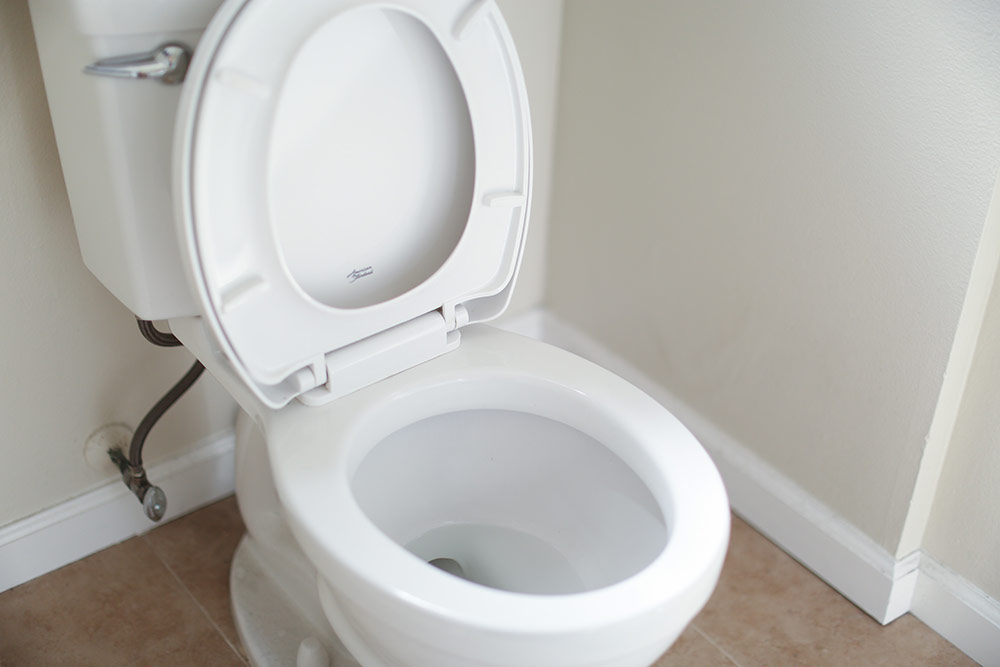
If the stench is coming from your toilet, the most common culprits are a faulty toilet flapper or a clogged vent pipe. A worn-out flapper allows water to seep into the bowl, creating a breeding ground for bacteria that produce the foul smell. A clogged vent pipe prevents proper air circulation, forcing sewage gases to escape through the toilet.
The Sink and Shower Drain
If the odor originates from your sink or shower drain, it's likely that a buildup of hair, soap scum, or other debris is blocking the drainpipe. This blockage can trap water and create a breeding ground for odor-causing bacteria.
Troubleshooting Tips
Once you've identified the source, it's time to troubleshoot and address the problem. Here's a step-by-step guide:
Toilet
- Inspect the Toilet Flapper: Look for cracks, tears, or signs of wear and tear. Replace the flapper if needed.
- Check the Vent Pipe: Inspect the vent pipe for any blockages. You may need to use a plumbing snake to clear the pipe.
Sink and Shower Drain
- Clear the Drain: Use a plunger or drain snake to clear any blockages.
- Pour Boiling Water Down the Drain: This can help loosen and remove any remaining debris.
- Use a Commercial Drain Cleaner: As a last resort, use a commercial drain cleaner, but exercise caution and follow the instructions carefully.
Preventing Future Smells
Once you've tackled the immediate problem, it's crucial to implement preventative measures to avoid future septic tank odors. Here are some tips:
- Regularly Inspect and Maintain Your Septic System: Schedule regular inspections and pump outs to ensure your system is functioning correctly.
- Avoid Flushing Non-Biodegradable Items: Dispose of sanitary products, paper towels, and other non-biodegradable materials in the trash.
- Minimize Water Usage: Take shorter showers and use water-saving appliances to reduce the load on your septic system.
- Use Biodegradable Cleaning Products: Opt for cleaning products that are safe for your septic system and won't harm beneficial bacteria.
Septic tank smells can be frustrating, but by following these steps, you can quickly identify the source, troubleshoot the problem, and prevent future occurrences. If you're unable to resolve the issue yourself, don't hesitate to contact a qualified plumber for professional assistance.
0 comments:
Post a Comment
Note: Only a member of this blog may post a comment.